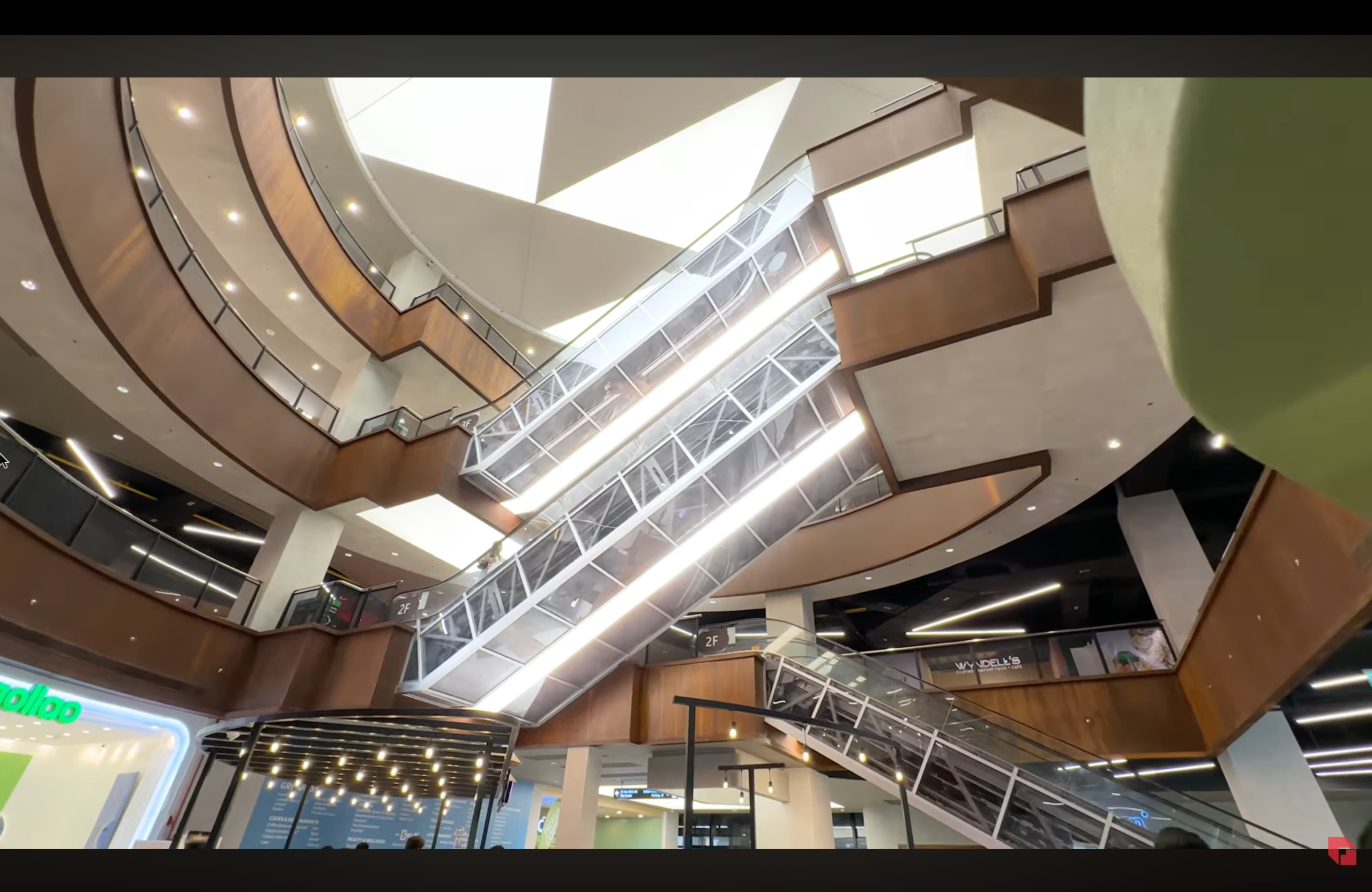
Modern architecture continues to embrace transparency, natural light, and open spaces. From glass walkways to panoramic lifts, these design elements create a sense of openness while adding a contemporary touch to buildings. One material that can support this architectural vision is polycarbonate. Known for its impact resistance, lightweight construction, and light-transmitting properties, polycarbonate is used in various architectural and industrial applications.
But is polycarbonate a suitable material for clear-sided escalators? In this article, we explore how polycarbonate can be used in modern design and what building owners, architects, and contractors should consider before selecting it.
Why Consider Polycarbonate for Clear-Sided Elevators?
- A Lightweight Alternative to Glass
One of the main advantages of polycarbonate is its relatively low weight. Solid polycarbonate is significantly lighter than glass of comparable dimensions, which may help reduce the weight of certain non-structural panels. Lower panel weight offers practical benefits during handling and installation. It also considerably supports the modern design relative to the system;s structural integrity.
- High Impact Resistance
Commercial elevators are everyday exposed to high traffic which makes it susceptible to accidental impacts, maintenance and movement. Polycarbonate is known for its high impact resistance compared with ordinary glass. Using polycarbonate can make it attractive for selected protective and architectural applications where resistance to breakage is an important consideration.
- Natural Light and a More Open Appearance
Clear-sided escalators are often used in contemporary buildings to create an open visual experience. Transparent panels can allow occupants to see the surrounding architecture and help reduce the enclosed feeling associated with large establishments like malls and hospitals. Clear polycarbonate may support this design objective when its optical clarity is appropriate for the project.
- Design Flexibility
Polycarbonate sheets can be fabricated into different shapes and dimensions using suitable techniques. This flexibility may be useful when designing custom architectural features around escalator areas. Depending on the approved system, polycarbonate may be considered for decorative panels, selected protective screens, and surrounding architectural elements.
- Potential for Outdoor Applications
Polycarbonate products are manufactured with UV-resistant properties, making them suitable for selected outdoor architectural applications. This may be relevant to escalator installations in commercial complexes, transport facilities, or buildings with exposed architectural features. Not all polycarbonates are manufactured with UV protection. Review the material specifications before installation to ensure long term performance if installed outdoors.
Polycarbonate in Action
Polylite recently concluded a project which optimizes polycarbonate in escalators. This design highlights the material’s versatility and durability and deems the material as an alternative for modern day interior design. While polycarbonate is commonly used for roofs, its versatility, lightweight construction, and high impact resistance gives more room to modern applications like escalators.
Before making a decision, consult with your architect and qualified engineer to determine if the product specifications match to that of the project requirements and applicable safety standards. Work with a professional and trusted supplier for more information about polycarbonate.
☎️0998 979 7659 / 0998 961 7502
☎️ (02) 8808-7659
Facebook: https://www.facebook.com/polylite


