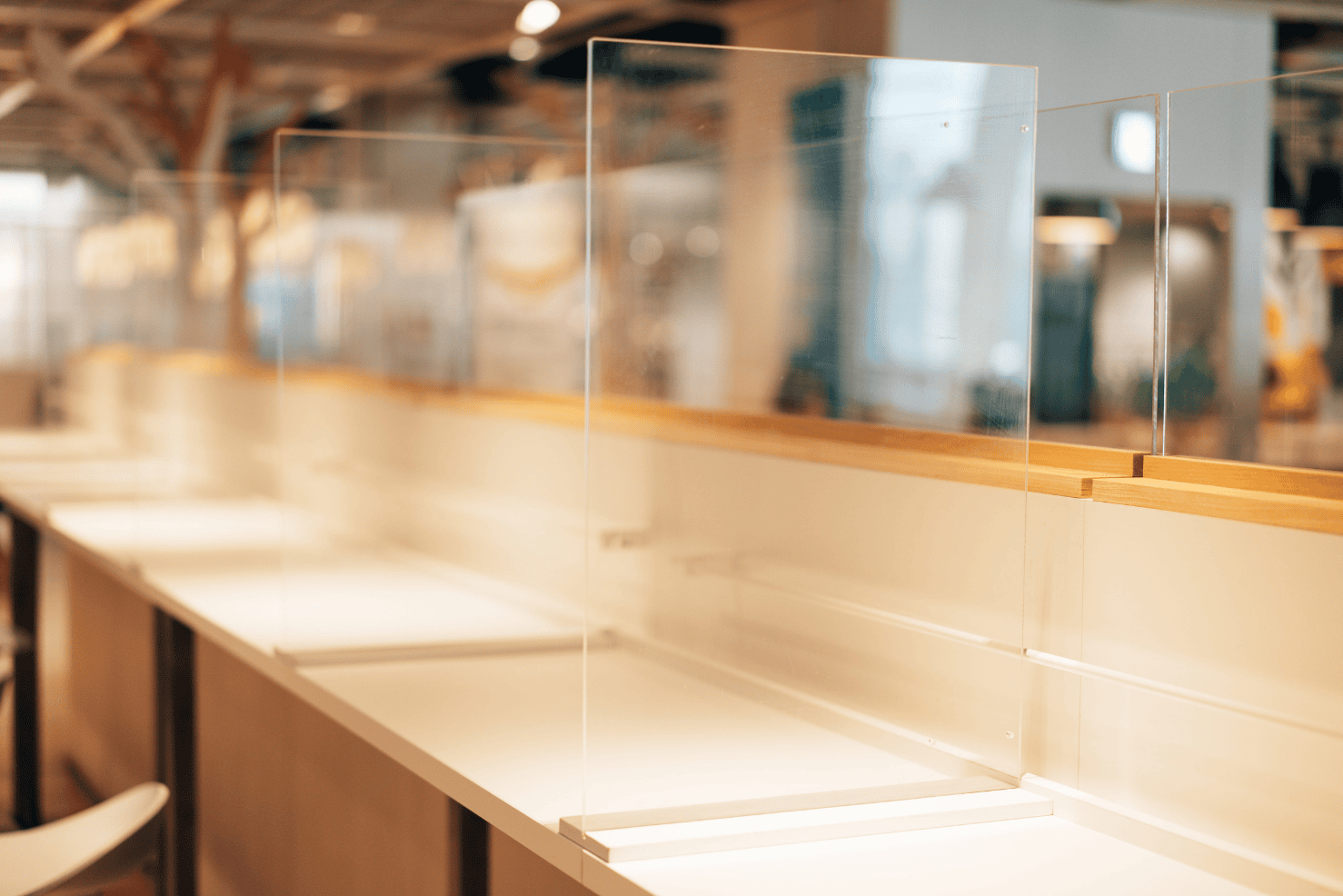
When choosing acrylic sheets for construction, interior design, signage, or DIY projects, one of the most important factors to consider is thickness. Acrylic sheets are known for their clarity, lightweight properties, and impact resistance, making them a popular alternative to traditional glass. However, not all acrylic sheets perform the same way in every application.
So, does acrylic sheet thickness affect durability? The short answer is “Yes”. Thickness plays a significant role in an acrylic sheet’s stiffness, resistance to bending, and ability to withstand certain physical stresses. However, the right thickness also depends on how the sheet will be installed, the size of the panel, and the conditions it will face.
How does acrylic sheet thickness affect your project?
- Resistance to Bending and Flexing
Thicker acrylic sheets are generally stiffer than thinner sheets of the same material and dimensions. This means they are less likely to bend or flex when subjected to a similar load.
For example, a thin acrylic panel used as a partition may flex when pushed, especially if it has a large unsupported area. A thicker panel can provide greater rigidity, helping it maintain its shape during everyday use. This makes thickness an important consideration for partitions, display cases, protective barriers, and other installations where panel stiffness matters.
- Resistance to Strong Impact
Thickness can influence how an acrylic sheet responds to impacts. A thicker panel may be better able to withstand certain impacts without excessive flexing or damage, depending on the impact conditions and how the panel is supported. However, thickness alone cannot guarantee that acrylic panels can resist all types of impact. Acrylic can crack or chip when subjected to concentrated force, sharp impacts, or stress around drilled holes and edges.
- Resistance to Everyday Wear
Acrylic sheets are often used in furniture, retail displays, signage, and decorative installations. Although thicker sheets can provide a more substantial and rigid structure, they are not necessarily more scratch-resistant than thinner sheets made from the same material. Both thin and thick acrylic panels can develop scratches from abrasive cleaning materials, rough handling, or contact with sharp objects.
Although thickness is important, it is only one part of the equation. Several other factors should be taken into consideration when choosing acrylic. Material quality, panel size and support, and installation itself contribute to the material’s long term performance. The key is to know the project at the back of your hand. Does clarity matter? Does it need to have higher load bearing capacity? Note that the thicker the acrylic, the pricier it becomes. Choosing the wrong acrylic thickness for performance requirements calls for constant maintenance and eventually the need for replacement
Before purchasing, consult a trusted acrylic sheet brand like Acrybest to discuss your project’s dimensions and requirements. Polylite offers a wide variety of acrylic types and thicknesses, and has been a trusted supplier of Acrybest acrylic in the Philippines for a long time. Send us a message to start.
☎️0998 979 7659 / 0998 961 7502
☎️ (02) 8808-7659
Facebook: https://www.facebook.com/polylite


